
Powder Days by Bus: Ride, Glide, Repeat
Mapping the Rides That Lead to Snow
Planning Powder Mornings with Precision

Packing Lean, Staying Warm
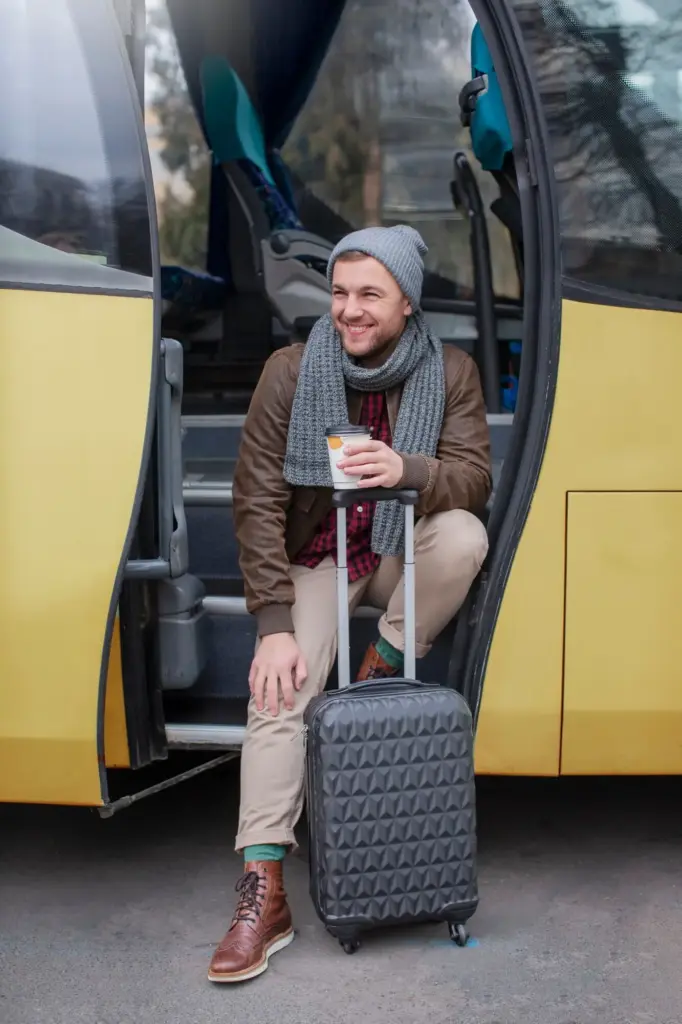
Choose midlayers that pack small yet insulate when damp, like synthetic puffies or high-loft fleece. Swap bulky wool sweaters for breathable, wind-resistant shells that handle bus stops and chairlift drafts. Keep a thin neck tube and liner gloves in quick-access pockets. Decant wax, edge tool, and sunscreen into mini containers. Bring a micro towel to dry goggles after snow-specked waits. If your bag fits under the seat, you save aisle space and secure your kit on bumpy roads where sudden braking can jostle loose gear everywhere.
Ski and Board Etiquette on Wheels
Board with tips forward and edges controlled so you do not clip ankles or scuff panels. Use designated racks when available, and never block exits. If you must stand, orient tails down and lock your stance to prevent swing. Respect driver requests about capacity and snow removal before loading. Offer to swap spots with families or beginners juggling boots. A calm smile and tidy setup turn long, snowy rides into communal victories, and drivers remember considerate riders when the line looks chaotic and everyone needs patient, steady guidance.
Smart Fueling Between Stops
Powder days chew energy fast, so pack dense, non-crumbly snacks that survive jostling. Thermoses keep soups warm and hydration enjoyable in frigid dawns. Electrolyte tabs weigh little and prevent mid-morning cramps. Avoid strong odors and rustling wrappers during quiet early rides. Schedule bites around expected transfers so you never choose between food and boarding. Keep a small trash bag for peels and packets, because clean seats help everyone. Hydrate modestly to balance warmth and restroom access, especially on routes with long canyons and minimal facilities en route.
Riding Out the Storm: Safety and Resilience

Routes in the Wild: Stories and Snapshots
01
Rockies and Wasatch Ride Playbook
High-elevation corridors can stack closures, traction checks, and avalanche control, making redundancy essential. Riders keep lists of park‑and‑rides, note which stops fill earliest, and track how storm timing shifts canyon priorities. Cold mornings punish batteries, so paper backups matter. Locals set gloves and passes out the night before, then ride one bus earlier when forecasts spike. If an express short-turns, they hop a local to leapfrog crowds. These habits look small, yet they repeatedly convert chaotic powder mornings into calm arrivals and a swift clip toward first tracks.
02
Alpine Villages and Cross-Border Links
European mountain towns stitch together gondolas near train platforms, enabling elegant transfers with minimal walking. Ski buses often pulse with lift changes, while evening shuttles sweep après-ski crowds across villages. Travelers watch for regional tickets that cover multiple operators. When weather moves in, operations communicate clearly, and riders pivot between valley rail and hill buses. Luggage-friendly vehicles and gear racks reduce boarding friction. Even in peak weeks, polite queuing and predictable frequencies keep stoke high. Borrow the mindset: pack compactly, read signage carefully, and trust the cadence of coordinated networks.
03
Pacific Northwest Storm Chasing, Seat by Seat
Maritime snowpacks bring deep, heavy dumps and swiftly changing visibility. Riders who succeed track wind direction, freezing levels, and road hold patterns, then choose a shuttle timed to the most resilient lifts. Rain‑snow lines demand flexible layering and shell care, so dry bags rule. Drivers appreciate tidy boards and quick stows, especially during slushy transitions. When storms stall buses temporarily, smart riders refuel, rewarm, and gather updates without crowding doors. The result is a steady, confident flow toward lifts opening on time, even as weather flips unpredictably hour by hour.
All Rights Reserved.