

Ride the Rails, Chase the Powder: Rent Smart, Travel Lighter
Today we dive into renting instead of hauling: gear strategies for transit-based ski trips. Learn what to rent, what to carry, and how to orchestrate reservations, pickups, and packing so your journey stays light, nimble, and stress-free while your skiing remains confident, responsive, and fun across changing conditions and unpredictable schedules.
Travel Light, Ski Smart: Why Renting Elevates Transit-Based Adventures
Public transit rewards minimalism. Renting lets you move swiftly through stations, board buses without wrestling long bags, and pivot plans when weather shifts. You’ll support local shops, test the latest skis for the day’s conditions, and avoid airline fees and damage risks. Share your experiences below and tell us where renting made your travel smoother, faster, and decidedly more joyful.
Booking with Confidence: Shops, Guarantees, and Seamless Pickups
The best rentals feel invisible: reserved online, fitted quickly, and tuned for the day’s snow. Look for fit guarantees, easy exchanges, and shops near stations or shuttle stops. Ask about early pickup, after-hours returns, and lockers to simplify timing. If you’ve discovered a shop with flawless transit-friendly workflows, tag them in the comments so others can benefit too.
Reserve Early, Breathe Easy
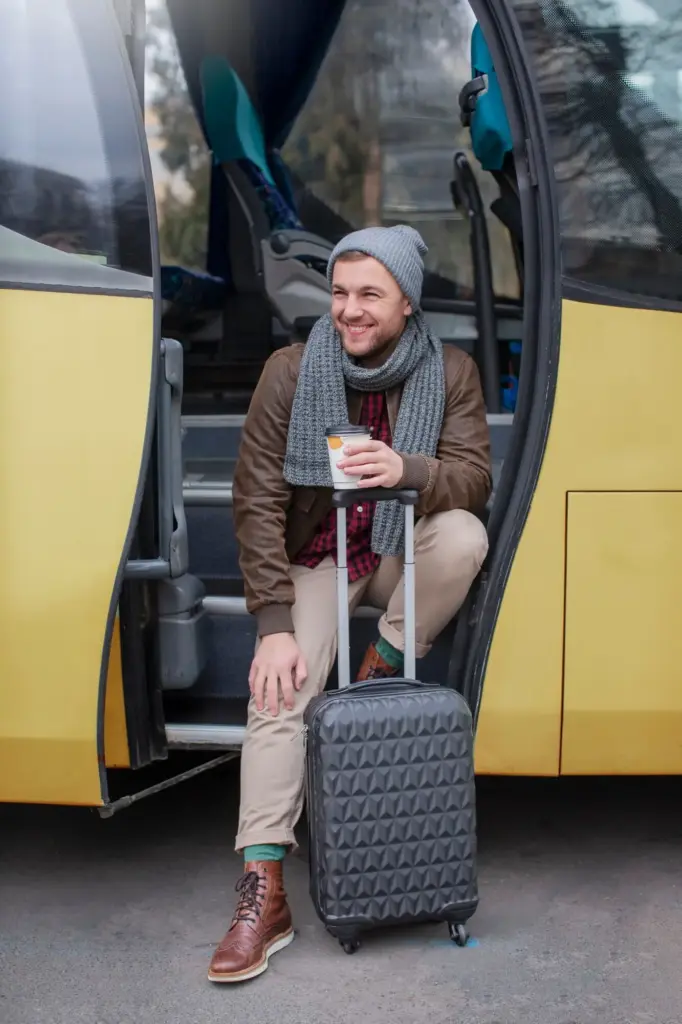
Popular snowfall weekends sell out. Reserve sizes, models, and helmets before you even buy your train ticket. Confirm pickup windows and bring your ID and shoe size. Early reservations reduce wait times dramatically and increase the chance of getting the exact ski for conditions. Readers: which shops honor arrival delays when buses or connections unexpectedly run late?
Demo, Performance, or Standard?
Demo-level skis let you tailor shape and flex to the day, from rockered powder boards to damp carvers. Performance packages balance price and capability, while standard sets offer reliability at low cost. Consider your terrain, skill, and snow report, then decide. Share which category surprised you most, and whether upgraded edges or bases changed your confidence on variable snow.

Strategic Pickup Near Hubs
Choosing a shop steps from the train platform or shuttle route turns logistics into a breeze. You’ll be walking, not schlepping, and can swap gear quickly if conditions swing. Ask about morning tune queues, boot heaters, and gear staging. If your favorite shop offered curbside handoff or delivered to a lodge, tell us how it saved precious first runs.
The Packing Blueprint: Compact, Warm, and Organized
The Mighty Boot Bag
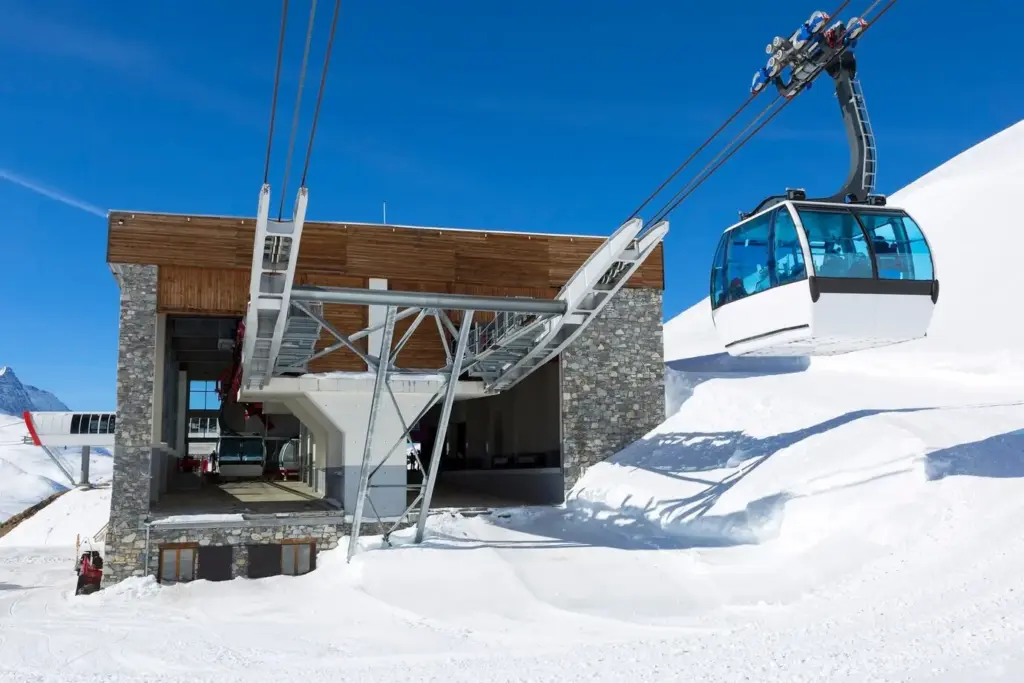
A well-designed boot backpack carries boots, helmet, goggles, snacks, and water while staying within many train or bus guidelines. Choose stable straps, ventilated compartments, and a lined pocket for goggles. Stash a compact microfiber towel for de-icing benches. Readers: which models ride comfortably during long platform waits without bruising shoulders or hogging space in tight coach aisles?
Layers That Earn Their Keep
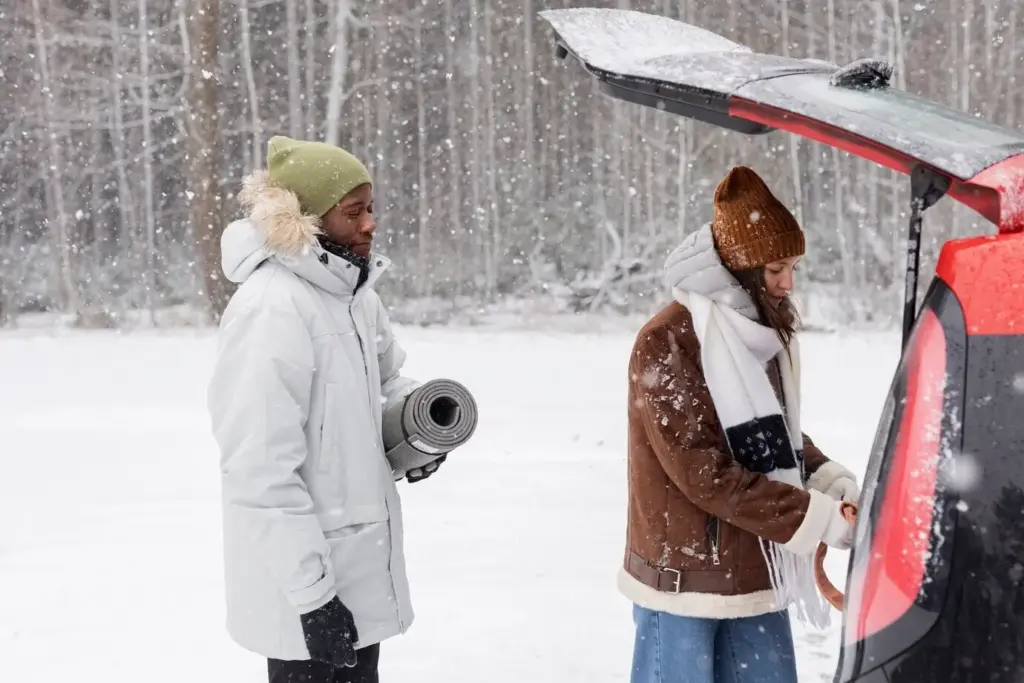
Transit-based trips punish bulky packing. Opt for merino or technical base layers that dry fast, a midlayer with real warmth-to-weight, and a light shell with pit zips to manage station-to-slope temperature swings. Two pairs of socks and glove liners usually suffice. Share your favorite multipurpose garment that worked from blustery platforms to high-alpine chairs without compromise or clamminess.
Kids and Groups Without the Chaos
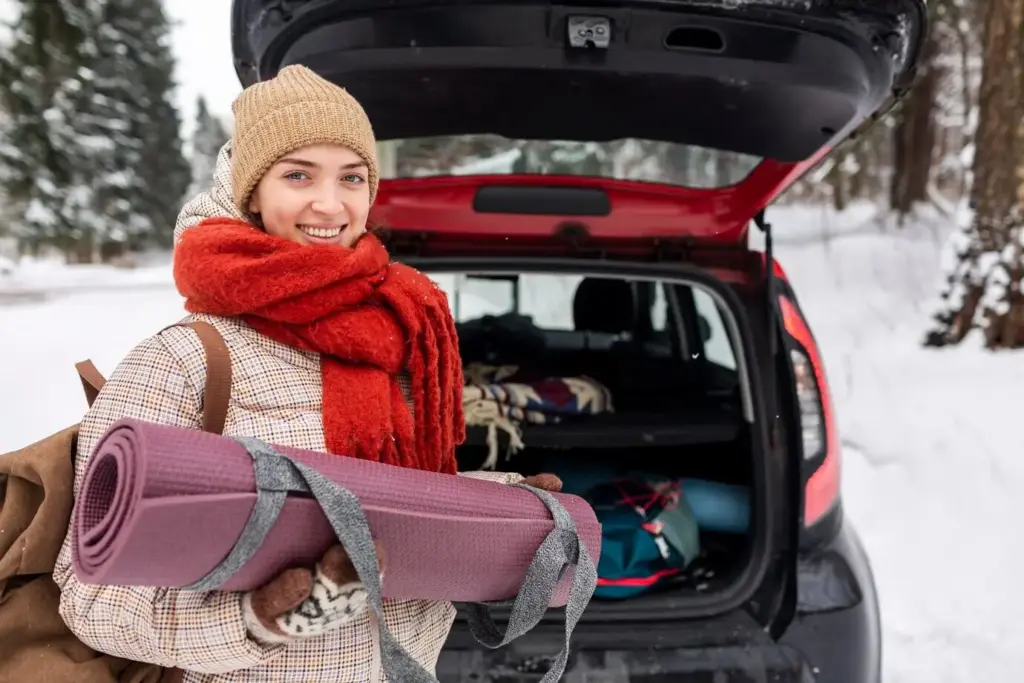
Color-code packing cubes, label boot bags, and assign one person to handle reservations while another manages snacks. Stagger fitting times to prevent pileups. Bring a compact game or story for delays so morale stays high. Families, what saved your sanity when a connection slipped and energy dipped? Your advice could be the difference between tears and triumphant last laps.
Airline Fees Versus Two-Day Rentals
A typical round trip with oversize charges can exceed a two-day demo package, especially once you include airport time, lifts, and re-tuning after travel. Train travelers dodge many fees outright. Post your route, fee breakdown, and rental rates so everyone can see when the math flips decisively, and when loyalty to owned gear still makes financial sense.
Insurance, Damage Waivers, and Peace of Mind
Scratches happen, and so do surprise rocks. Damage waivers can save serious money and stress, particularly on storm days with thin coverage. Clarify exclusions, binding settings, and lost gear policies before you sign. Readers, have waivers ever paid off for you, or did careful skiing and quick tunes suffice? Your stories help others choose coverage wisely and confidently.
Powder, Crud, and Morning Ice—Choose Intentionally

A wider, rockered ski surfs soft snow, while a stiffer, narrower platform bites into early groomers. Rental techs track updates from patrol and can steer you toward edges that hold or bases that float. Share your favorite “quiver for the day” stories, especially when a quick lunchtime swap transformed scary skittering into smooth, controlled arcs on the last laps.
Helmets, Back Protectors, and Rental Standards

Ask shops about helmet replacement cycles, sanitation, and certification labels. Consider bringing your own goggles and balaclava for hygiene. Back protectors are increasingly available and can add confidence without bulk. Readers: have you noticed real comfort differences between rental helmet models, or do fit and ventilation dominate? Your experiences help others prioritize items that truly improve long days.
Avalanche Tools, Guides, and Responsible Choices
Some regions rent beacons, shovels, and probes only when paired with guides or proof of training, which keeps everyone safer. Ask about battery policies, transceiver models, and practice areas. If you’ve navigated a rental-based backcountry day, describe the briefing, group dynamics, and lessons learned so newcomers understand expectations, etiquette, and the non-negotiables that protect every rider.
Transit Logistics and Last-Mile Ease
Stations, Shuttles, and Shop Delivery
When snow dumps, sidewalks shrink. Choose routes with frequent shuttles, and confirm whether shop vans can deliver or collect gear at your lodge. Ask about real-time updates. If you’ve used a station-adjacent shop for first-chair sprints, tell us how their layout, signage, and staff flow kept crowds moving while your group snagged perfect fits without bottlenecks.
Smart Buffers and Backup Plans
Build a 20–30 minute cushion for returns and exchanges, and identify a second shop nearby in case inventory disappears. Save hotline numbers and offline maps for spotty mountain coverage. Drop your personal contingency tips below—whether a spare glove liner, portable charger, or pre-packed snacks—and help others rescue a powder day from minor delays or unexpected detours.
Storage, Lockers, and Dry Feet Tomorrow
Reserve a small locker for spare layers and bring newspaper or portable dryers to keep boots warm overnight. Confirm overnight storage policies so you can stroll to dinner unencumbered. If a locker strategy saved your calves during a windswept walk to the bus, share that detail. Small comforts compound, turning tough logistics into an easy, repeatable routine.
All Rights Reserved.